Pituitary Surgery In California
Expert Pituitary Tumor Treatment With Dr. Gabriel Zada.
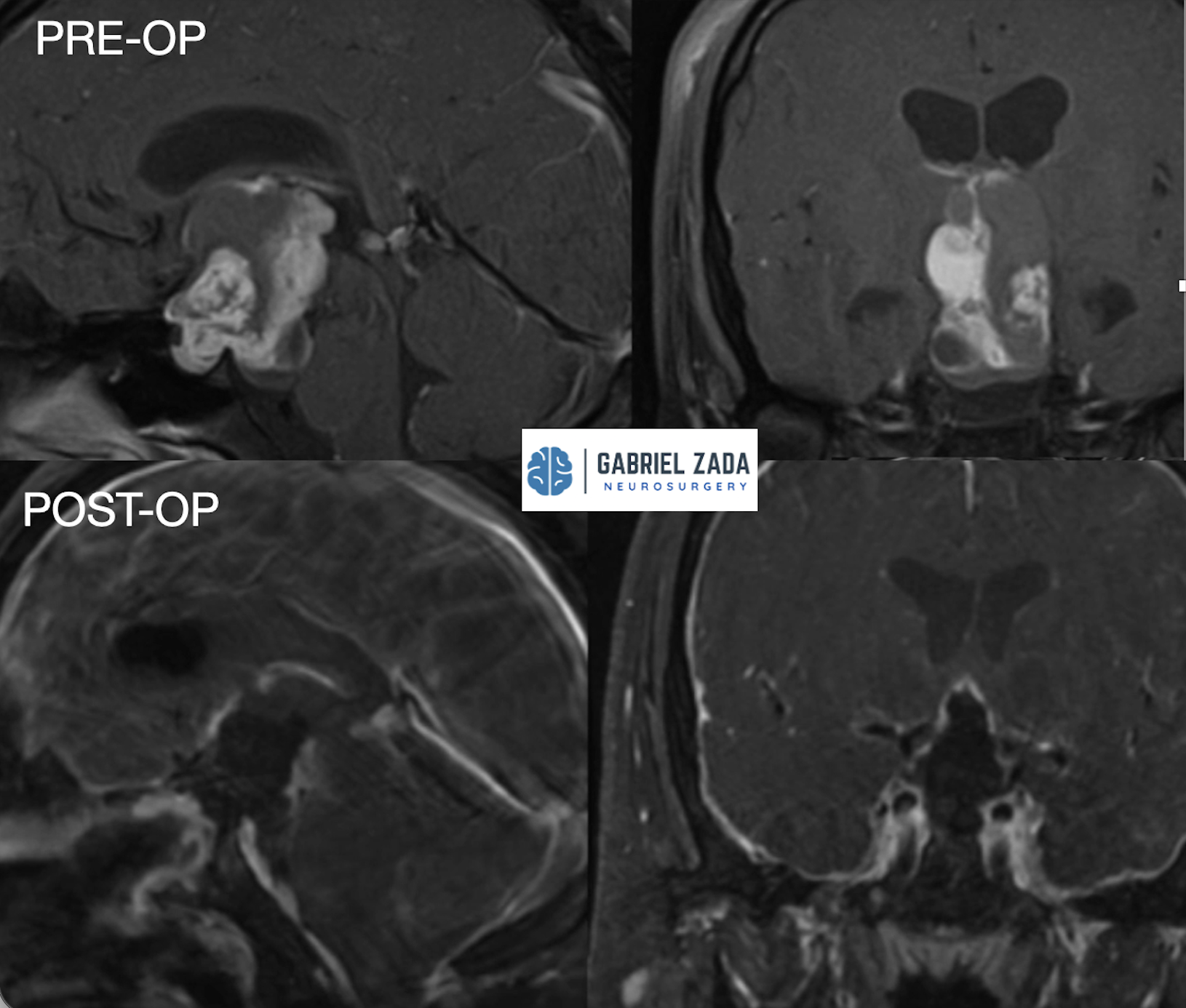
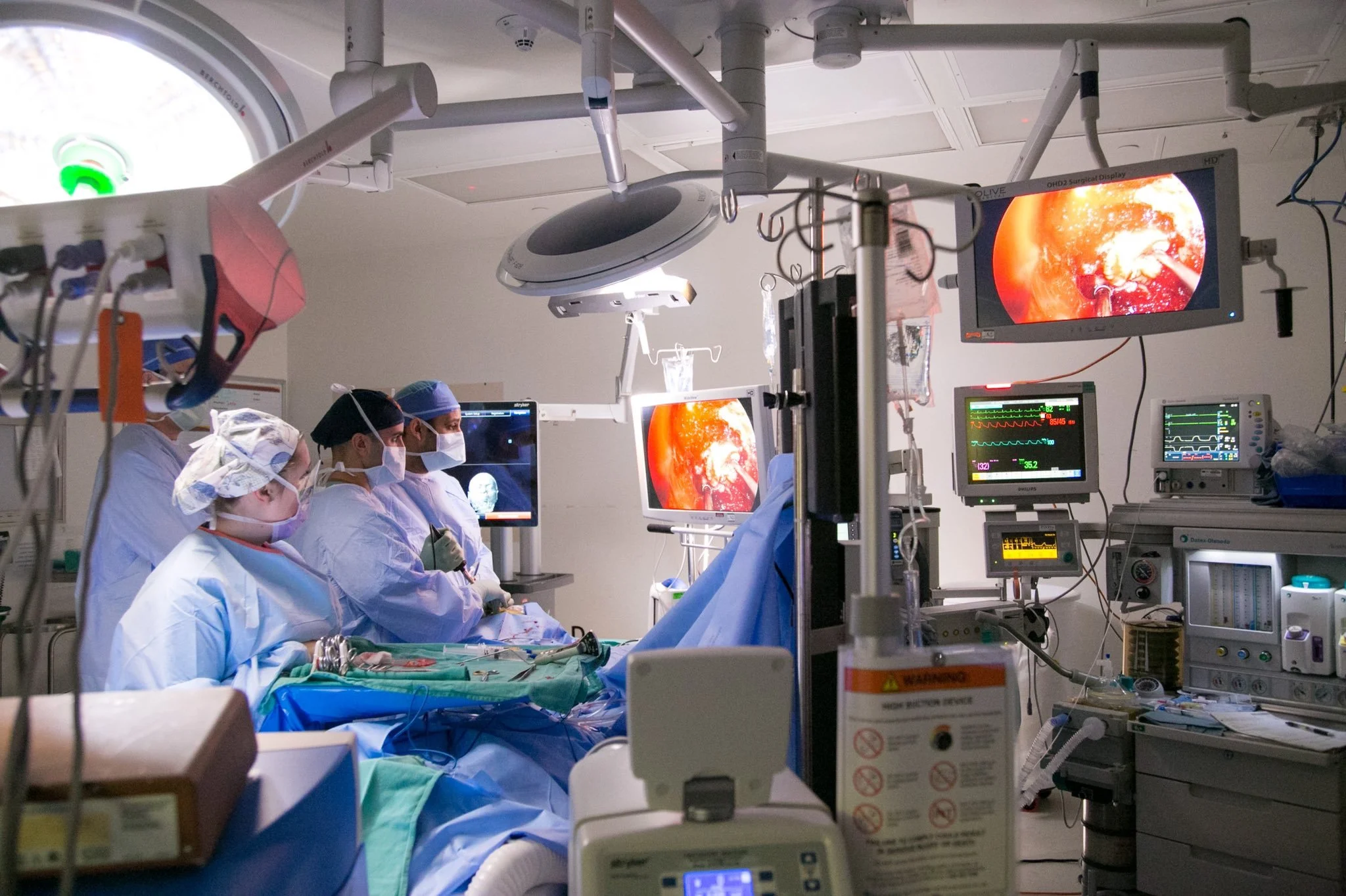
Pituitary tumors require specialized care from an experienced neurosurgeon trained in advanced skull base surgery techniques. Gabriel Zada is a nationally recognized expert in pituitary surgery and endoscopic skull base procedures in California, offering state-of-the-art treatment for patients with pituitary tumors and other complex skull base conditions.
Dr. Zada focuses on minimally invasive endoscopic pituitary surgery, allowing patients to benefit from smaller incisions, faster recovery, and excellent surgical outcomes. His expertise in complex pituitary and skull base procedures has helped many patients achieve successful tumor removal and improved hormonal health.
What Is Pituitary Surgery?
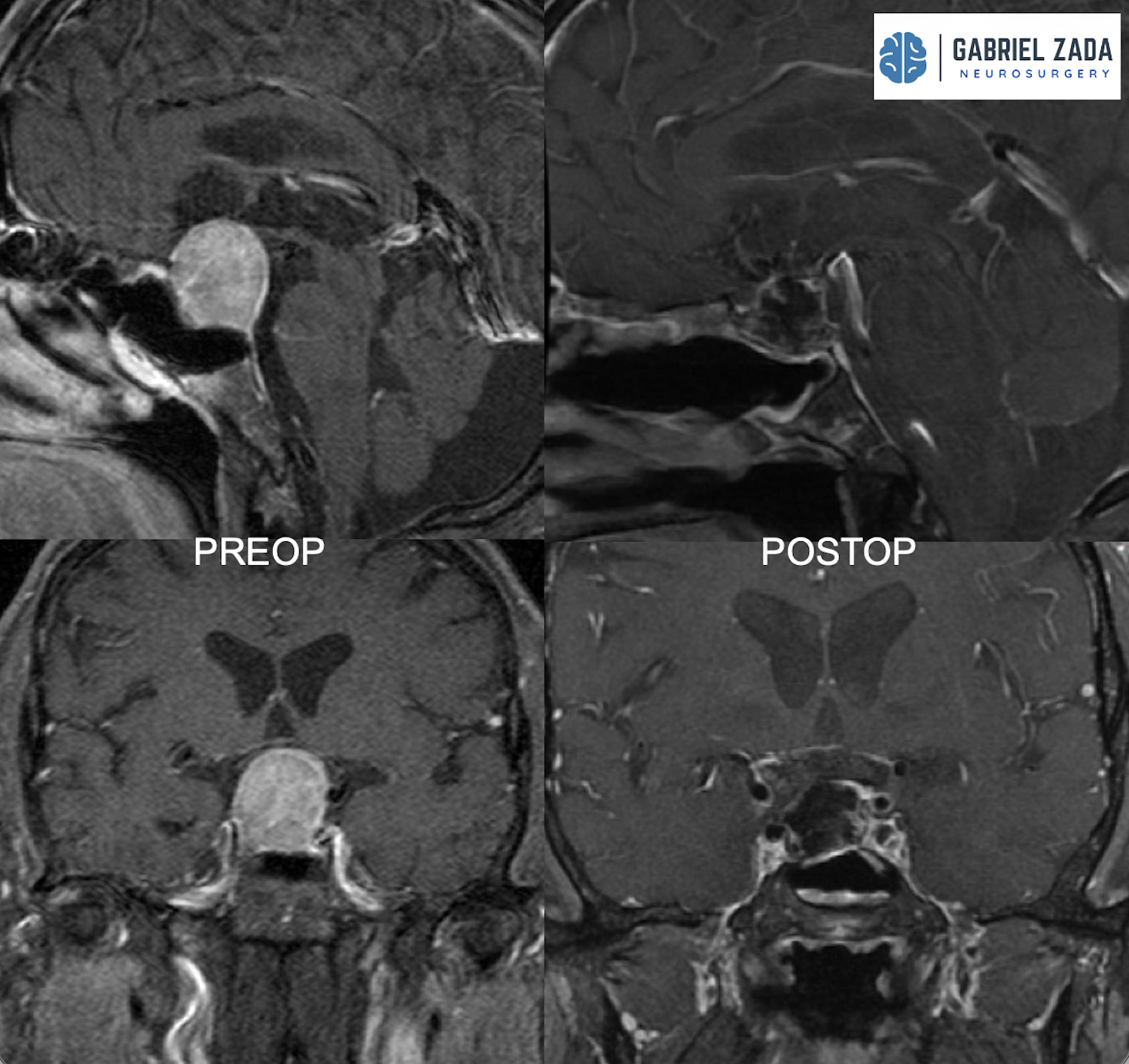
Pituitary surgery is a specialized neurosurgical procedure used to remove tumors or abnormal growths in the pituitary gland, a small gland located at the base of the brain that controls many important hormones.
Most pituitary tumors are benign (non-cancerous), but they can cause significant symptoms such as:
Vision problems
Hormonal imbalances
Headaches
Fatigue
Unexplained weight changes
Fertility issues
When tumors grow or disrupt hormone production, pituitary tumor surgery may be the most effective treatment.
Pituitary Conditions Treated
Gabriel Zada treats a wide range of pituitary and skull base conditions, not limited to:
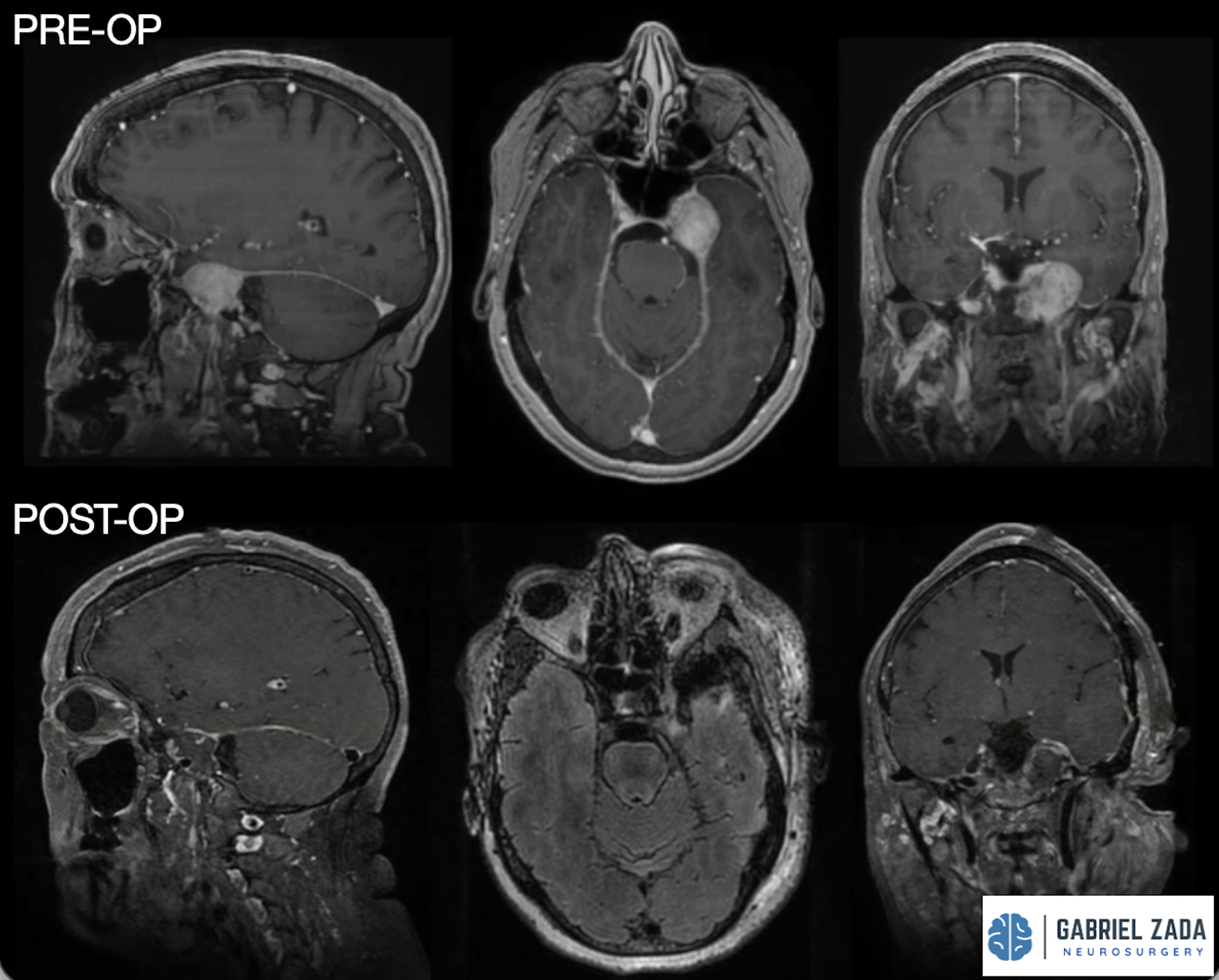
-
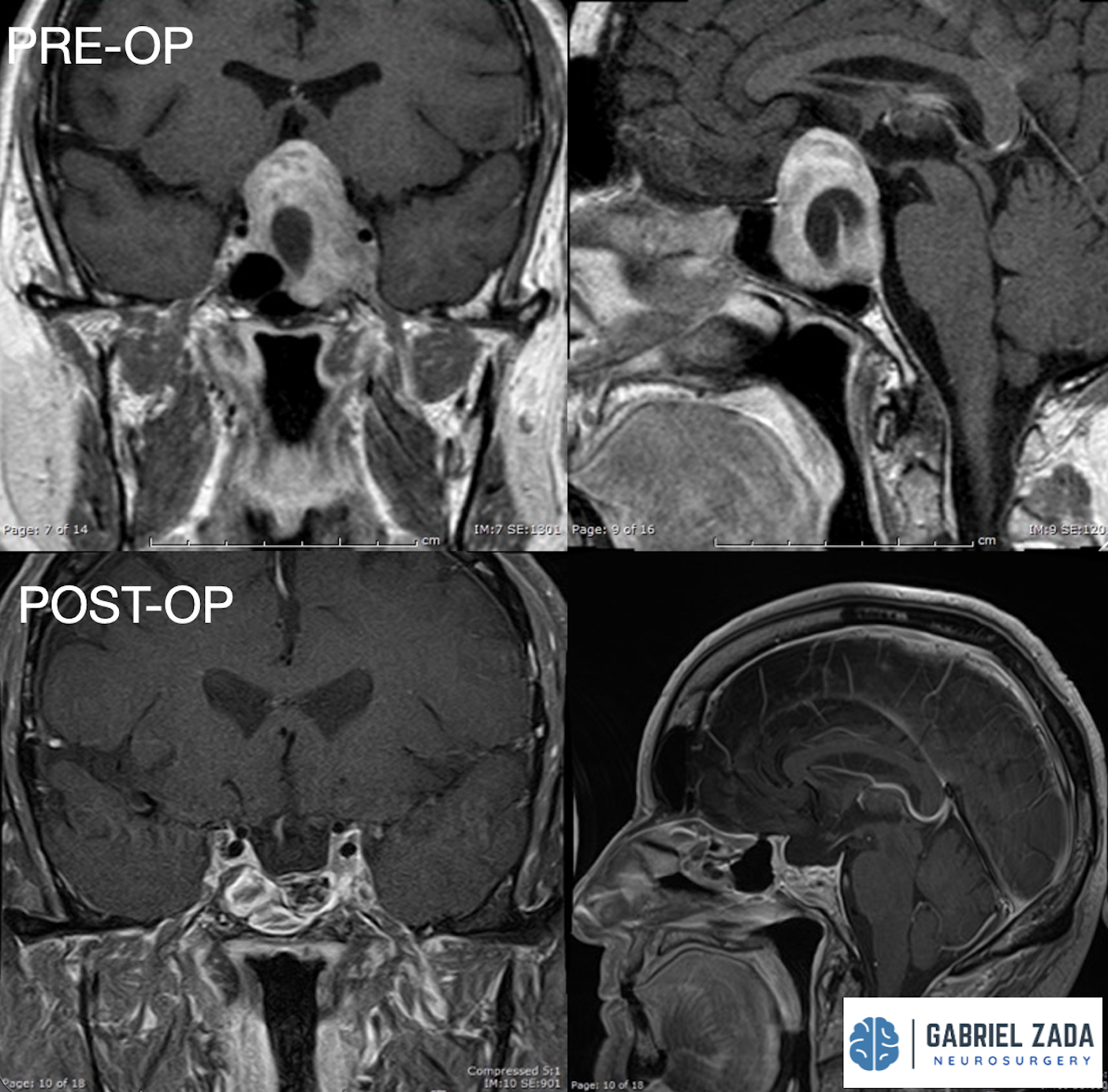
The most common type of pituitary tumor that can cause hormone overproduction or compression of nearby structures.
-
A condition caused by excess cortisol due to a pituitary tumor.
-
A hormonal disorder resulting from excessive growth hormone secretion.
-
Tumors that do not produce hormones but may cause symptoms due to size or pressure.
-
Complex tumors near the pituitary gland that require specialized neurosurgical expertise.
Advanced Endoscopic Pituitary Surgery
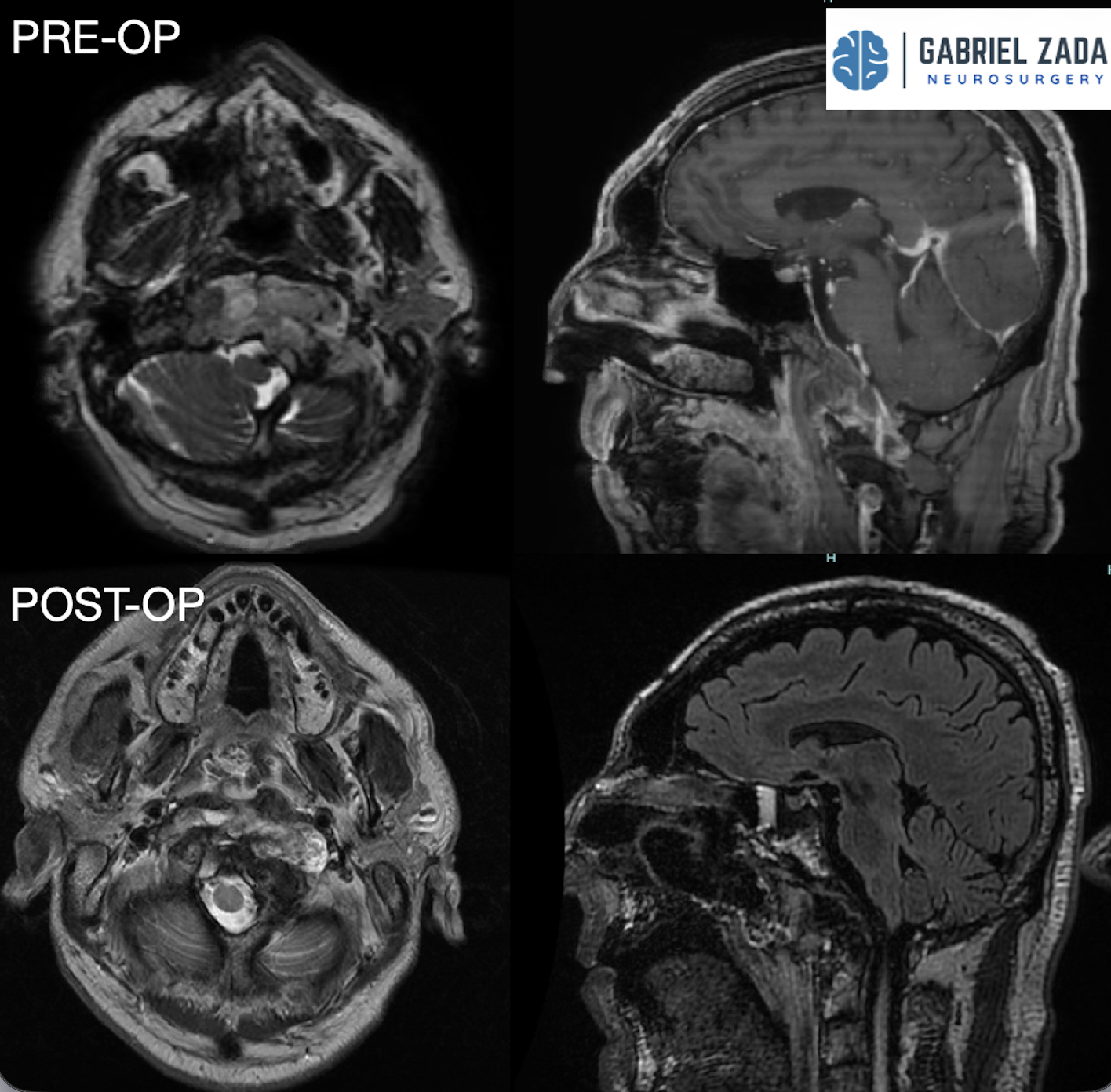
Dr. Zada specializes in endoscopic endonasal approach (EEA) surgery, also known as transsphenoidal surgery, which allows surgeons to reach the pituitary gland through the nasal passages without making external incisions.
Benefits of this minimally invasive surgical technique include:
No visible scars
Reduced surgical trauma
Shorter hospital stays
Faster recovery time
Improved surgical precision with high-definition visualization
This approach is widely considered the gold standard for pituitary tumor removal when appropriate.
Recovery After Pituitary Surgery
Recovery time after pituitary surgery varies depending on the size of the tumor and the surgical approach used.
Most patients can expect:
A hospital stay of 1–3 days*
Return to normal activities within a few weeks*
Follow-up imaging and hormone testing
Ongoing endocrinology care if needed
Dr. Zada and his care team provide detailed post-operative guidance to ensure a smooth recovery and optimal long-term results.
Why Choose Gabriel Zada for Pituitary Surgery?
Patients from across California and beyond seek treatment from Dr. Zada because of his expertise in pituitary and skull base surgery.
Specialized Expertise
Dr. Zada is a highly experienced neurosurgeon dedicated to treating complex pituitary and skull base disorders.
Advanced Surgical Techniques
He uses minimally invasive endoscopic procedures designed to maximize tumor removal while preserving healthy tissue.
Multidisciplinary Care
Pituitary disorders often require coordinated care with endocrinologists, ophthalmologists, and other specialists to optimize treatment outcomes.
Patient-Centered Treatment
Each patient receives an individualized treatment plan tailored to their condition, symptoms, and long-term health goals.
Schedule a Pituitary Surgery Consultation
If you or a loved one has been diagnosed with a pituitary tumor, expert care is essential. Gabriel Zada provides advanced pituitary tumor surgery and skull base treatment in California, helping patients achieve the best possible outcomes.
Contact the office today to schedule a consultation and learn more about your treatment options.
*Representative cases shown for educational purposes. All images de-identified. Individual results vary.